Execution changes the argument
A plan sounds different after it meets machines, people, suppliers, cash limits, and time pressure.
Executive • Writer • Investor
For more than twenty-five years, I have worked across operations, manufacturing, supply chains, technology, and international business. Alongside that work, I have continued to write, invest, play sport, and remain curious about the systems, incentives, and ideas that shape how people live and work.
Digital Home is where those interests come together: business, technology, investing, politics, culture, sport, and human behaviour. It is a place for essays, books, observations, and questions that remain interesting long after the meeting, the headline, or the market move has passed.
Who I Am
I began writing during my university years, long before I knew where my professional life would eventually lead. At first it was simply a habit: recording observations, questioning assumptions, and trying to understand why people, organisations, and societies often behaved differently from the stories they told about themselves. Over time, writing became something more useful. It became a way of examining experience rather than merely accumulating it.
Most of my professional life has been spent close to the practical side of business. For more than twenty-five years, I have worked across operations, manufacturing, logistics, supply chains, technology, and international business environments. Much of that work involved making decisions with incomplete information, balancing competing priorities, managing risk, solving problems under pressure, and accepting responsibility when there was no perfect answer available.
Those experiences taught me that reality is usually less tidy than plans, presentations, and organisational charts suggest. Businesses are shaped not only by processes and strategies, but by incentives, personalities, habits, fears, ambitions, culture, and the willingness of individuals to take ownership when things become difficult. The formal system matters, but the unofficial system often matters just as much.
Living and working across Türkiye, the United Kingdom, Bulgaria, and wider international environments has also shaped how I view institutions, people, and ideas. The same proposal can be considered obvious in one country and unrealistic in another. History influences decisions long after people stop talking about it. Culture affects outcomes before the first spreadsheet is opened. Language changes meaning in ways that are easy to underestimate.
My interests have never remained confined to business. Investing taught me to think more carefully about uncertainty, incentives, risk, patience, and human behaviour. Technology and artificial intelligence interest me not only because of what they make possible, but because of the trade-offs they quietly introduce. Convenience often solves one problem while creating another. Progress rarely arrives without a price.
Sport has been another constant throughout my life. Nearly two decades of amateur football provided lessons that often proved just as useful in management as they were on a pitch: preparation matters, discipline matters, teamwork matters, but reality has a habit of ignoring plans once the game begins. Success and failure are both temporary. What matters is the ability to adjust and continue.
Today, my interests continue to revolve around management, economics, technology, investing, politics, culture, philosophy, sport, and human behaviour. What keeps those subjects interesting is that they rarely exist in isolation. A factory problem can reveal something about incentives. A market movement can reveal something about fear. A political argument can reveal something about identity. An ordinary conversation can expose an entire social system.
I do not write because I believe I have answers. I write because experience produces questions faster than answers. Sometimes I analyse. Sometimes I criticise. Sometimes I change my mind. Sometimes I simply record an observation before it disappears. Digital Home is where that ongoing conversation continues.
Nazmi Uzunov is a global operations executive with more than 25 years of leadership experience across manufacturing, supply chain, medical devices, textiles, and distribution. During his career in Türkiye, he was widely known professionally as Nazmi Şentürk and has been featured in industry publications, interviews, conferences, and corporate communications under both names.
Education & Learning
The formal base is Industrial Engineering, Business and Management, Master in CS with AI and an Executive MBA. Around that base sits a continuing education in artificial intelligence, global markets, investing, philosophy, sociology, and writing. The interest is not collecting subjects. It is finding better ways to understand systems, people, and decisions.
What Shaped My View
A plan sounds different after it meets machines, people, suppliers, cash limits, and time pressure.
Türkiye, the United Kingdom, Bulgaria, and Europe taught me that institutions, memory, language, and manners shape decisions before anyone opens a spreadsheet.
The real system often appears in shortcuts, silences, habits, fears, and the way people behave when responsibility becomes uncomfortable.
New tools change the surface quickly. Underneath, the same motives remain: control, speed, fear, status, laziness, curiosity, and ambition.
Markets are not only numbers. They are patience, panic, imitation, ego, time, and the stories people tell themselves about risk.
Work, politics, and public life produce certainty faster than understanding. Writing is one way to slow down and look again.
Professional Lens
Factories, logistics, suppliers, planning, cost, quality, delays, and the daily work of keeping systems moving.
Business systems, automation, data, artificial intelligence, and the practical question of what should be measured or automated.
People, incentives, responsibility, pressure, communication, and the difference between what is announced and what actually happens.
Capital, risk, patience, market psychology, and the incentives that shape individual and institutional decisions.
Notes on work, technology, investing, society, sport, culture, and human behaviour.
Selected Experience
Bulgaria - Childhood, memory, identity, and the Balkans
Türkiye - Manufacturing, operations, management, entrepreneurship
United Kingdom - Supply chain, leadership, international operations
Investing - Markets, risk, incentives
Technology - Data, automation, AI, robotics
Writing - Blogs, articles, books, observations
Affiliations & Communities
Professional, civic, community, and personal affiliations that sit around the work rather than replace it.
Uludağ İhracatçılar Birliği (UİB)
Bursa Sanayi ve Ticaret Odası (BTSO)
Kalite Derneği (KALDER)
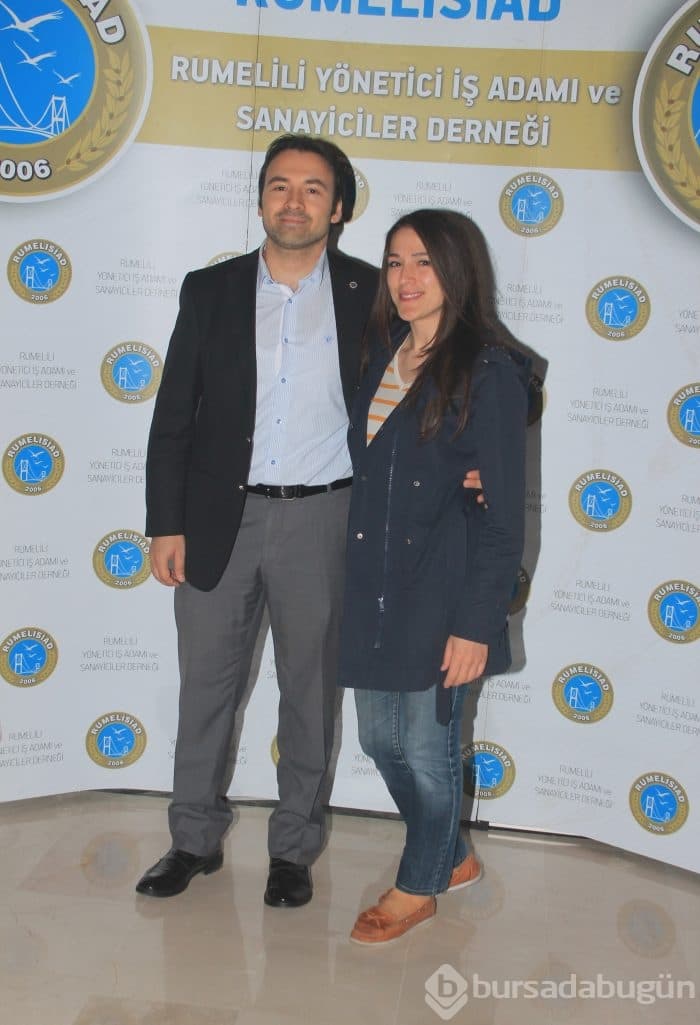
Rumelili Sanayici ve İş Adamları Derneği (RUMELİSİAD)
Marmara Sağlık Sanayici ve İş Adamları Derneği (MASSİAD)
Eğridereliler Kültür ve Dayanışma Derneği
Labour Party
Fenerbahçe Spor Kulübü
Interests & Territory
The territory includes strategic planning, start-ups, artificial intelligence, budgeting, company valuation, financial analysis, lean production, management, philosophy, literature, nature, cinema, music, basketball, and football. Sport is not a side note: amateur football was part of life for around 20 years.
What I Write About
Principles
A plan is only real after it survives execution.
People respond to incentives, pressure, habit, and fear more than instructions.
A process dependent on heroic people is not a strong process.
Data is useful; judgment decides what to ignore.
Markets punish emotional certainty.
Good systems make ordinary work less dramatic.
Contact / Connect